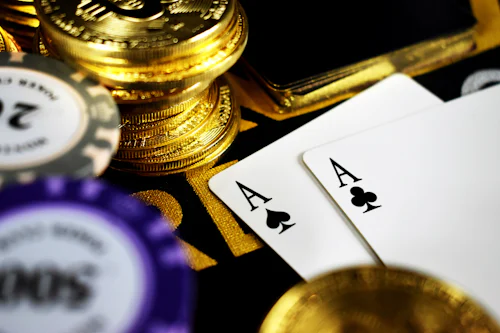
Understanding the Basics of Bluffing
Bluffing is an essential component of poker, serving as a strategic maneuver to deceive opponents about the strength of one’s hand. The fundamental idea behind bluffing is to project confidence and competence while actually holding a weak hand, thereby convincing others to fold better hands. This requires a deep understanding of both the game mechanics and human psychology, as players must assess when others are likely to fold and when they might hold their ground. For those interested in boosting their gaming experience, they can download aplikasi mega888 malaysia to enjoy exciting new features. By effectively executing a bluff, players can turn the tide of the game in their favor, even with subpar cards.

At its core, bluffing is about misdirection. A skilled player must be able to create a believable story through their betting patterns and body language, leading opponents to draw incorrect conclusions about their hand strength. This involves not only making large bets or raises but also knowing when to check or call to further enhance the overall narrative of confidence. Successful bluffing also requires an acute awareness of the dynamics at the table—adjusting strategies based on the tendencies and play styles of opponents is crucial for effective deception.
Moreover, understanding the risk-reward ratio is vital in bluffing. While successfully executing a bluff can lead to significant victories, failure can be detrimental to one’s chip stack and overall game strategy. Players must analyze the specific context, including the board texture, their position at the table, and the number of opponents they face. Acknowledging these factors can help a player determine whether a bluff is likely to pay off or become a costly mistake, highlighting the importance of calculated risk-taking in poker.
Psychological Aspects of Bluffing
The psychological element of bluffing in poker cannot be overstated. It involves not just the player’s mindset but also their ability to read the emotions and reactions of their opponents. A successful bluffer often employs psychological tactics to instill doubt and fear in their opponents. This includes maintaining a calm demeanor and displaying confidence, which can be persuasive enough to convince others that one holds a formidable hand. Practicing emotional control is therefore essential, allowing players to remain stoic even when the pressure mounts.
Furthermore, players can utilize the concept of ‘poker tells’—subtle behavioral cues that may indicate an opponent’s level of confidence in their hand. Recognizing these tells can provide critical insights that inform whether to embark on a bluff or to fold. For instance, if an opponent appears tense or suddenly changes betting patterns, it may signify weakness, presenting an opportunity for a well-timed bluff. Conversely, identifying confidence in others can signal a need to play carefully, emphasizing the intricacies of human interaction in the game.
Moreover, building a table image plays a crucial role in the effectiveness of bluffing. By establishing a reputation as a tight, conservative player, one can increase the chances that opponents will fold when they attempt a bluff. Conversely, being seen as a loose or erratic player can lead to greater resistance from others, undermining the bluffing strategy. Thus, managing perceptions and adapting one’s playing style to fit the desired image significantly influences the success rate of bluffing ventures.
Timing and Situational Awareness in Bluffing
Mastering the timing of a bluff is vital for success in poker. Effective bluffing is often about picking the right moment when opponents are most likely to fold. This involves keen situational awareness—players must analyze the current board state, the actions of their opponents, and the overall dynamics of the game. For instance, a bluff is generally more effective in later betting rounds when the board has developed, and opponents may feel more attached to their hands, making them susceptible to doubt.
The size of the bet also plays a crucial role in determining the success of a bluff. A well-timed and appropriately sized bet can apply pressure to opponents, inducing them to reevaluate the strength of their holdings. If the bet is too small, it may fail to create the necessary tension; if it’s too large, it may raise suspicion. Thus, players must find a delicate balance, tailoring their betting strategy not only to their cards but also to the psychological state of their opponents.
Additionally, context matters greatly. Bluffing in a tournament setting can differ markedly from a cash game due to differing player mindsets and chip dynamics. In tournaments, players may be more protective of their chips as eliminations loom, while cash game players might be more inclined to gamble in pursuit of immediate gains. Understanding these nuances allows players to tailor their bluffing strategies appropriately, maximizing the chances of success regardless of the game’s nature.
Developing Your Bluffing Strategy
Developing a personalized bluffing strategy requires time, practice, and a willingness to analyze one’s own game. Players should begin by experimenting with different bluffing techniques in a variety of scenarios, paying close attention to the reactions of their opponents. This practice can help players refine their ability to read opponents while simultaneously honing their own bluffing skills. Keeping detailed notes on past experiences can also provide insights and improve future decision-making.
Furthermore, seeking feedback from other experienced players can be a valuable tool in enhancing bluffing capabilities. Engaging in discussions about specific hands and strategies can illuminate different perspectives and approaches. Learning from seasoned players may reveal advanced techniques and considerations that can be integrated into one’s own strategy, helping to distinguish between successful and unsuccessful bluffing attempts.
Lastly, continual learning is essential in the ever-evolving landscape of poker. Participating in poker forums, reading literature, or watching professional play can offer deeper insights into advanced bluffing techniques and psychological strategies. Adapting to new trends and learning from other players’ successes and failures can significantly enhance one’s ability to bluff effectively and strategically.
Your Go-To Resource for Poker Strategies
If you are keen on mastering the art of bluffing, look no further than our dedicated platform for poker enthusiasts. We offer a wealth of resources, insights, and strategies spanning various skill levels, from beginner tips to advanced techniques. Here, players can find comprehensive guides that cover not only bluffing but also other essential aspects of poker strategy, enhancing their overall gameplay experience.
Engage with our vibrant community of players who share their experiences, strategies, and lessons learned from the tables. Our platform serves as a dynamic space for sharing knowledge and fostering improvement in poker skills. Whether you are looking to enhance your bluffing techniques or other aspects of your game, you will find the support and information necessary to elevate your poker prowess.
Join us today and take your poker game to new heights. With the right resources, practice, and community support, you will be well on your way to mastering key skills like bluffing, allowing you to thrive at the tables and enjoy the thrill of the game. Your journey to becoming a formidable poker player begins here.